
What Does DMCA Ignored Mean?
The term DMCA ignored appears frequently in hosting discussions, especially among website owners looking for fewer restrictions on their content. At first glance, it may seem like a way to bypass copyright rules completely, but that interpretation is misleading.
In reality, DMCA ignored is more about jurisdiction, legal differences, and hosting policies rather than avoiding laws entirely. To understand it properly, it is important to break down how copyright enforcement works across different countries and how hosting providers respond to complaints.
What Is DMCA?
The Digital Millennium Copyright Act (DMCA) is a United States law introduced in 1998 to address copyright protection in the digital environment.
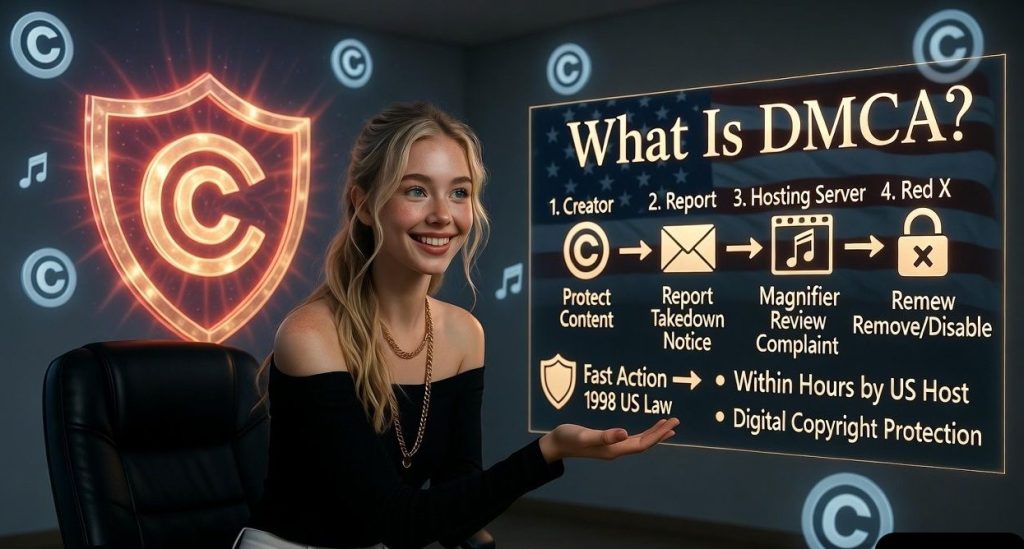
Its main purpose is to:
- Protect creators from unauthorized use of their content
- Provide a system for reporting copyright violations
- Require hosting providers to remove infringing content after receiving valid complaints
Most US based hosting companies and many global providers follow DMCA rules strictly. When they receive a valid takedown notice, they typically act quickly to remove or disable access to the reported content.
What Does DMCA Ignored Mean?
DMCA ignored refers to hosting services that do not strictly enforce DMCA takedown requests in the same way as US based providers.
This usually happens because:
- The hosting company operates outside the United States
- The country’s local laws do not require DMCA compliance
- The provider follows its own policies based on local regulations
However, this term is often misunderstood. It does not mean:
- Copyright laws do not apply
- Illegal content is allowed freely
- The website is protected from all legal actions
A more accurate definition would be:
DMCA ignored means the hosting provider may not respond immediately or directly to DMCA notices due to jurisdictional differences, but legal responsibilities still exist.
How DMCA Ignored Hosting Works
The functioning of DMCA ignored hosting is based on server location and legal jurisdiction.
Here is how it typically works:
- A website is hosted on servers located in a country with different copyright enforcement rules
- The hosting provider follows local laws instead of US DMCA regulations
- When a DMCA complaint is submitted, it may not result in instant removal
- The provider may review the complaint under local law or choose not to act unless required
This setup is why DMCA ignored hosting is often linked with offshore hosting, although both are not exactly the same.
Why People Use DMCA Ignored Hosting
There are several legitimate and practical reasons why some users choose this type of hosting.
Many website owners prefer it because:
- Their content may be flagged quickly under strict DMCA systems
- They want more control over how complaints are handled
- They are hosting user generated content that is difficult to monitor constantly
- They require stability for content that may face frequent reports
In some cases, it is also used for backup websites, mirror platforms, or projects that require reduced takedown risks.
What Types of Content Are Commonly Hosted
Certain types of platforms are more commonly associated with DMCA ignored hosting due to their nature.
These include:
- Video or media streaming platforms
- File hosting and sharing services
- Adult content websites
- Forums and communities with user generated content
It is important to note that hosting such content does not remove responsibility. Website owners are still accountable under applicable laws.
Is DMCA Ignored Hosting Legal?
The legality of DMCA ignored hosting depends on multiple factors, not just the hosting provider.
Key points to understand:
- DMCA is a US law and does not apply globally in the same way
- Hosting a website in another country is not illegal by itself
- Each country has its own copyright laws and enforcement rules
- International legal cooperation may still apply in serious cases
This means:
- Your hosting location matters
- Your content matters even more
Even if a hosting provider ignores DMCA notices, you can still face legal consequences depending on the situation.
DMCA Ignored vs Offshore Hosting
These two terms are closely related but not identical.
- Offshore hosting refers to hosting your website in a different country, usually outside your own jurisdiction
- DMCA ignored refers to how the hosting provider handles copyright complaints
Some offshore hosting providers offer DMCA ignored policies, but not all offshore hosting services ignore DMCA requests.
Understanding this difference helps avoid confusion when choosing a hosting solution.
Pros and Cons of DMCA Ignored Hosting
Advantages
- Reduced risk of immediate content takedown
- More flexibility in managing website content
- Better control over complaint handling
- Useful for platforms with user generated content
Disadvantages
- Legal risks still exist depending on content
- Some providers may have weaker infrastructure
- Limited payment methods or stricter onboarding
- Risk of unreliable or low quality hosting companies
Common Misconceptions About DMCA Ignored
There are several myths that often create confusion.
- It is completely illegal: This is not always true. It depends on jurisdiction and usage
- No rules apply: Every country has laws, and they still apply
- Content is fully protected: There is no guarantee of protection from legal action
- All providers are trustworthy: Some providers may lack transparency or reliability
Understanding these misconceptions is essential before choosing such hosting.
How to Choose a Reliable DMCA Ignored Hosting Provider
Choosing the right provider requires careful evaluation, not just marketing claims.
You should always:
- Check the server location and local laws
- Read the terms of service in detail
- Verify uptime, performance, and infrastructure
- Look for transparent policies and support
- Avoid providers that make unrealistic promises
A reliable provider focuses on stability, clear policies, and proper infrastructure rather than just promoting “ignored” features.
Who Should Consider DMCA Ignored Hosting
DMCA ignored hosting is not for everyone. It works best for users who understand how hosting environments, legal jurisdiction, and content policies interact. When used correctly, it offers more flexibility and control, but it also requires informed decision making.
This type of hosting is a good fit for:
- Experienced Website Owners: Users with a solid understanding of hosting, server locations, and legal responsibilities can manage the risks more effectively.
- Projects With Frequently Reported Content: Websites that deal with content often flagged under strict copyright systems may benefit from environments where enforcement is handled differently.
- Platforms Requiring Greater Content Control: Forums, content sharing platforms, or user generated websites that need more control over complaint handling can find this hosting useful.
If you are looking to select the right provider, you can explore reliable options for DMCA ignored hosting and compare services based on infrastructure, policies, and overall trustworthiness.
Always choose a provider that focuses on stability and transparency, not just marketing claims.
Who Should Avoid It
DMCA ignored hosting can offer flexibility, but for many users, it may introduce more risks than benefits. Without proper understanding, it can lead to legal confusion, compliance issues, or long term problems.
This type of hosting is not suitable for:
- Beginners Without Legal Awareness: Users who are new to hosting or unfamiliar with copyright laws and jurisdiction differences may find it difficult to manage potential risks.
- Business or Corporate Websites Requiring Compliance: Companies that must follow strict legal, regulatory, or industry standards should avoid this type of hosting, as it may not align with compliance requirements.
- Brands That Rely on Trust and Reputation: Businesses that depend heavily on credibility, transparency, and user trust may face reputational risks if associated with less regulated hosting environments.
For these users, choosing a standard, compliant hosting provider is usually a safer and more stable option.
Conclusion
DMCA ignored does not mean ignoring laws. It reflects how hosting providers operate under different legal systems and jurisdictions.
The key factor is understanding that less strict enforcement does not mean zero responsibility. Website owners must still follow applicable laws and make informed decisions about their content and hosting environment.
When used with proper knowledge, DMCA ignored hosting can serve specific needs. Without that understanding, it can create serious risks.