How DMCA Takedown Notices Work? 2026 Complete Guide
How DMCA Takedown Notices Work
I know how irritating it feels when you put all your heart into creating original content and then someone just flags it from your website without asking.
No permission. Your content is gone. And the bad thing is that you do not know what to do next. That is exactly why I put this guide together.
If you want to protect your copyrighted content and understand how the law actually works in your favor, you are in the right place.
This guide tells you everything about DMCA Takedown Notices.
You will learn what they are, how the process works from start to finish, what your hosting provider does when one takedown notice arrives, and how you can fight back if a notice is filed against you unfairly.
I will also show you what makes a notice legally valid, what happens after you receive one, and how to keep your website safe going forward.
By the end of this, you will have a clear, practical understanding of the entire DMCA system.
What Is a DMCA Takedown Notice?
Before I get into the steps, let me make sure you have the basic things right. A lot of people hear the term and assume it is some kind of extreme legal threat.
So, DMCA Takedown Notice is a process designed to handle copyright disputes online without dragging everyone into court.

Understanding the Digital Millennium Copyright Act (DMCA)
The Digital Millennium Copyright Act is a U.S. federal law passed in 1998.
Think of it as the rulebook that governs how copyright is handled online. It was created because the internet changed everything. Suddenly, content could be copied and shared instantly, and the old copyright laws were not built for that speed.
The DMCA created a specific system called the “notice-and-takedown” process.
This system lets copyright owners report infringing content to hosting providers, who then have to act. The most important point is Section 512, which we will come back to throughout this guide.
One important thing to understand: the DMCA is a U.S. law. But it has global reach because many major web hosting companies and platforms are based in the United States.
So even if you run your website from another country, DMCA rules can still apply depending on where your hosting provider is registered.
Purpose of DMCA Takedown Notices
The main purpose of DMCA Takedown Notices is simple. They give copyright holders a legal way to get infringing content removed without going to court. Instead of filing a lawsuit, you send a notice to the host. If the notice is valid, the content comes down quickly.
The purpose of DMCA takedown notice is simple: It protects creators. It also protects hosts. Under what is called the “safe harbor” provision, a hosting provider cannot be held responsible for infringing content as long as they respond to DMCA notices properly.
That is a big deal for them, so most providers take these notices seriously.
For you as a content creator or website owner, understanding this purpose helps you use the system correctly. It is not a weapon to silence people. It is a tool to protect your original work.
Who Can Send a DMCA Notice?
You might be wondering if just anyone can send one of these. Technically, any copyright holder can send a DMCA notice. That includes
- Individual creators,
- Businesses,
- Photographers,
- Musicians,
- Artists
- Developers
- Authors.
You do not need to be a lawyer to send one, but you do need to be the rightful owner of the content in question.
You can also authorize someone else to send the notice on your behalf. Many content creators
- Hire legal representatives or
- Use DMCA monitoring services to handle this for them.
The key requirement is that you must genuinely own the copyright.
Filing a false claim carries legal consequences, which we will cover in the article later.
Third-party copyright enforcement companies also send these notices on behalf of large media companies, film studios, and music labels.
So when you see a takedown notice from an unfamiliar name, it is often an agent acting on behalf of the actual rights holder.
How the DMCA Takedown Process Works? 2026 Step-by-Step Guide
Now let us get into the actual process.
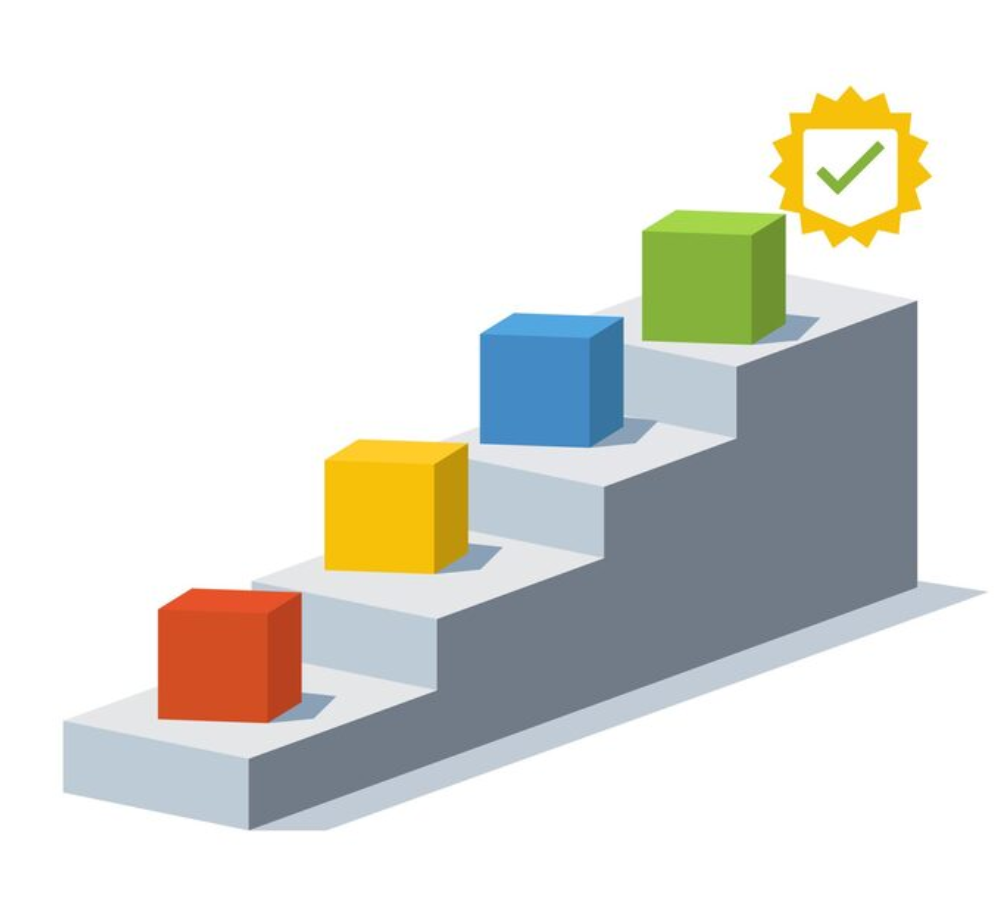
Understanding this process step by step gives you power, whether you are the one sending the notice or the one receiving it. Here is how it flows from beginning to end.
Step 1: Copyright Holder Discovers the Infringement
It starts when you find your original content being used somewhere without your permission.
This could be a blog post, a photo, a video, a piece of music, or even code. You can find infringements using
- Google reverse image search,
- Plagiarism checkers like Copyscape,
- Automated DMCA monitoring tools.
Step 2: Identify the Hosting Provider or Platform
Once you confirm the infringement, you need to find out who is hosting the infringing content.
You can use a WHOIS lookup tool to find the hosting provider behind a domain. Or else you can also check if the content is on a platform like YouTube, Facebook, or a blog network and look for their designated DMCA agent contact.
Step 3: Preparation of the DMCA Notice
You need to draft a formal DMCA Takedown Notice that meets all the legal requirements under Section 512 of the DMCA.
We cover exactly what to include in the next section of this guide. The notice must be complete and accurate or the provider can reject it.
Step 4: Submit the Notice to the Right Party
Send the Takedown Notice to the hosting provider’s designated DMCA agent, not just a random contact email.
Most major platforms have a dedicated DMCA submission form or email. The U.S. Copyright Office maintains a public directory of registered DMCA agents so you can verify the correct contact.
Step 5: The Host Reviews and Acts
Once the web hosting provider receives the notice, they are required by law to act “expeditiously.”
They completely audit the content and if they find copyright related issues, they disable access to the content within a few days to a couple of weeks. The platform checks that the notice is complete before acting.
Step 6: The Alleged Infringer Is Notified
The platform notifies the person whose content was removed.
That person then has the option to file a counter-notice if they believe the takedown was a mistake or that they had the legal right to use your content.
Step 7: Counter-Notice Window Opens
After being notified, the alleged infringer has 10 to 14 business days to file a counter-notice.
If they do file one, the platform typically restores the content after that window closes unless you take legal action.
Step 8: Resolution or Legal Action
If no counter-notice is filed, the content stays down.
If a counter-notice is filed and you still believe your rights were violated, you have 10 to 14 business days to file a lawsuit.
Otherwise, the platform restores the content.
| Please Note The DMCA process applies primarily to U.S.-based platforms and hosting providers. If the infringing content is hosted in a country outside the U.S. that does not recognize DMCA jurisdiction, the process becomes more complicated and you may need local legal advice. |
What Information Must Be Included in a DMCA Takedown Notice?
A DMCA notice that is missing required information will not hold up. Providers can and do reject incomplete notices.
Here is exactly what your notice must include to be legally valid under Section 512(c)(3) of the DMCA.
| Required Element | What It Means? |
|---|---|
| Your Identification | Your full legal name, address, phone number and email address as the copyright holder or authorized agent. |
| Description of the Copyrighted Work | Clearly identify the original work being infringed. For example, ‘My original photograph titled XYZ first published on [your website URL].’ |
| Location of the Infringing Material | The exact URL or URLs where the infringing content can be found. Vague descriptions are not enough. |
| Accuracy Statement | A statement that the information in your notice is accurate and, under penalty of perjury, that you are the copyright owner or authorized to act on their behalf. |
| Electronic or Physical Signature | Your signature, which can be your typed name if submitting electronically, counts as a valid signature under the DMCA. |
Make sure every single element above is present before you hit send. Even a minor omission gives the platform grounds to reject your notice without acting on it.
A good practice is to keep a copy of every notice you file along with timestamps and confirmation receipts. This builds a paper trail that becomes valuable if the dispute goes to court.
What Happens After You Receive a DMCA Takedown Notice?
Let us flip the scenario. You log in one day and find that content on your website has been removed, or you receive an email saying a DMCA notice has been filed against you. Do not panic.
Here is what you need to do and what happens next.
First, read the notice carefully. Understand exactly what content is being claimed, who is claiming it and what their grounds are. Sometimes notices are sent for legitimate reasons. Other times they are errors or even abuse.
Your response depends entirely on which category this falls into.
Option 1: The Claim Is Valid
If the notice is correct and you did use someone else’s content without permission, the best thing is to remove the content immediately. Contact the copyright holder directly if possible. Apologize and either remove the content or negotiate a license.
Option 2: You Believe the Claim Is Wrong
You have the right to file a counter-notice. A counter-notice is your formal legal response saying the DMCA Takedown was filed in error.
For example, you may have a license to use the content, the content may be in the public domain, or your use may qualify as fair use.
Your counter-notice must include
- Your name and contact information
- Identification of the removed content
- Its original location,
- A statement under penalty of perjury that the removal was a mistake
- Your consent to jurisdiction in your local federal district court
- Your signature.
Once your counter-notice is received, the platform waits 10 to 14 business days. If the original claimant does not file a lawsuit against you in that window, the platform restores your content.
| Disclaimer Filing a false counter-notice carries legal consequences just like filing a false takedown notice. Only file a counter-notice if you genuinely believe the original notice was wrong. Consult a lawyer before filing if you are unsure. |
How to Fight a DMCA Takedown Notice?
You should know your rights and you should act quickly to fight a DMCA takedown notice. Here is a list of the steps you can take to challenge a notice you believe is wrongly filed.
Assess the Validity of the Claim
Ask yourself: Is this content actually mine? Did I create it originally? Do I have a license or permission? Does my use fall under fair use?
Fair use is a legal doctrine that allows limited use of copyrighted material without permission for purposes like criticism, commentary, news reporting, teaching or research.
Document Everything
Gather all your evidence.
- Save screenshots of your original uploads with timestamps.
- Keep emails or contracts showing you have a license.
- Document when you first published the content.
This evidence strengthens your counter-notice and any potential legal claim.
File Your Counter-Notice
Send your counter-notice to the platform or hosting provider using their official DMCA counter-notice process.
Make sure it contains all the required elements. Do not send incomplete counter-notices because they can be rejected just like incomplete takedown notices.
Contact the Original Claimant Directly
Sometimes a direct conversation resolves everything faster than going through the legal process. Reach out to the person who filed the notice and explain your situation.
Many disputes end in a simple agreement or clarification without escalating further.
Consult an Attorney
If the stakes are high, the content is valuable, or the matter is complex, hire an intellectual property attorney.
They can review your situation, advise whether you have a strong case, and help you respond in the most legally sound way possible.
File a Complaint for Abuse
If you believe the notice was filed in bad faith to suppress your legitimate content, you may have grounds to file a legal complaint against the claimant.
Under Section 512(f) of the DMCA, knowingly misrepresenting that content is infringing can result in damages, attorney fees and other penalties.
Common Reasons DMCA Notices Are Sent
Understanding why these notices get filed helps you avoid becoming the target of one. Here are the most frequent situations that trigger a DMCA notice in real life.
| Reason | Example |
|---|---|
| Using unlicensed images | You download a photo from Google Images and add it to your blog without checking its license. |
| Embedding copyrighted videos | You embed a YouTube video that has been uploaded there without the rights holder’s permission. |
| Reproducing written content | You copy a full article from another website onto your own site without attribution or license. |
| Uploading copyrighted music | You add a popular song to a video you post without securing a sync license. |
| Hosting pirated software | Your website offers a download of commercial software without authorization. |
| Sharing movie or TV clips | You post clips from a film without permission from the studio. |
| Using copyrighted code | You include proprietary code in your project without a valid license from the developer. |
The common thread in all of these is using someone else’s creative work without proper authorization. A simple fix in many cases is to use only content that is licensed for your intended use, marked as Creative Commons, or in the public domain.
| When you pay for a stock license, keep the receipt. That receipt is your defense against a DMCA Takedown Notice. |
How does DMCA Abuse and False Takedown Notices affect?
Not every DMCA notice is sent for legitimate reasons.
Unfortunately, the system gets abused. Some people use takedown notices as a weapon to silence competition or suppress content they simply do not like even when that content does not actually violate any copyright.
This is a real problem.
Imagine you write an honest review of a product, and the company files a bogus DMCA notice to get your review taken down. Your content disappears while the legal process slowly grinds forward. In the meantime, your website traffic drops, your audience loses trust, and your hard work is gone.
False takedown notices can affect you in several serious ways.
- Your website traffic can drop significantly if content is removed.
- Your domain can be flagged by web hosting providers after repeated notices, even false ones.
- Your reputation can take a hit.
And the process of fighting a false notice costs you time and often money.
Under Section 512(f) of the DMCA, filing a knowingly false takedown notice is illegal. The claimant can be held liable for damages, costs, and attorney fees.
But this protection only helps you if you know your rights and are prepared to fight back.
A common form of abuse involves automated takedown bots.
These systems scan the web and fire off notices automatically without any human checking the accuracy. Content gets flagged incorrectly all the time this way.
If you receive a notice from an automated service, it is worth questioning its validity and checking whether the claim is genuinely supported.
| Please Note If you receive a DMCA notice you believe is false or abusive, do not ignore it. Document everything, file your counter-notice properly, and consider consulting an attorney. Ignoring it allows the takedown to stand by default. |
How to Protect Your Website from DMCA Takedowns
Prevention is always better than dealing with a takedown notice after the fact. Here are the practical steps I recommend to keep your website protected and your content secure.
- Use only licensed or original content. Every image, video, audio clip, and piece of writing on your site should either be created by you or properly licensed. Keep records of all licenses.
- Add a copyright notice. Place a clear copyright statement on your website and on your original content. This puts people on notice that your work is protected.
- Register your copyrights. In the U.S., registering your copyright with the Copyright Office gives you stronger legal standing and opens the door to statutory damages if someone infringes your work.
- Monitor your content regularly. Use tools like Google Alerts or dedicated DMCA monitoring services to track if your content appears elsewhere without your permission.
- Have a clear DMCA policy on your website. If your site allows user-generated content, post a DMCA policy explaining how you handle notices. This also protects you legally.
- Use watermarks on images and videos. Watermarks do not prevent theft completely, but they make it harder for thieves to pass your work off as their own.
- Choose a secure hosting provider. Your hosting provider is your first line of defense. A provider who handles DMCA processes transparently and protects your content adds an important layer of security.
Protecting yourself is not just about reactive measures. Building good habits around content licensing and monitoring means you catch problems early and have the documentation to fight back quickly when needed.
Why Hosting Providers Matter in DMCA Cases?
Your hosting provider plays a bigger role in DMCA situations than most people realize.
They are the ones who receive the notices first. They are the ones who decide how fast to act. And their policies can make the difference between your content staying up or coming down.
When a DMCA Takedown Notice lands in a hosting provider’s inbox, they become the middleman between you and the copyright claimant. Their response time and their communication with you all matter enormously.
How Hosting Providers Handle DMCA Notices?
Most reputable web hosting providers have a designated DMCA agent registered with the U.S. Copyright Office.
This agent is the official contact for receiving takedown notices.
When a valid notice arrives, the hosting provider completely audits it. They check that it contains all legally required elements. If the notice passes the check, they remove or disable the content and notify the account holder.
The account holder, which is you, then gets a chance to respond.
You can confirm the content is down, file a counter-notice or take no action. The host documents everything and keeps records of the interaction for legal compliance.
- Some hosts are faster than others.
- Some are more thorough in reviewing notices for accuracy.
And some hosts, particularly offshore hosting providers, operate outside of U.S. jurisdiction and handle DMCA requests differently, which brings us to the next important point.
| Please Note Not all hosting providers are based in the U.S. and subject to DMCA law. Offshore or DMCA-ignored hosting providers may handle notices differently. Understanding your host’s DMCA policy before you sign up is always a smart move. |
DMCA Takedown vs DMCA Counter-Notice (Key Differences)
People often confuse these two things. Let me break them down side by side so you know exactly what each one is and when it applies.
| Aspect | DMCA Takedown Notice | DMCA Counter-Notice |
|---|---|---|
| Who Files It | The copyright holder or their authorized agent | The person whose content was removed |
| Purpose | To request removal of infringing content | To dispute a takedown and request content restoration |
| When It Is Filed | When you discover your copyrighted work used without permission | After your content has been removed due to a DMCA notice |
| Legal Risk of False Filing | Liable under Section 512(f) for damages and attorney fees | Also liable under Section 512(f) if knowingly false |
| Timeline | Provider must act expeditiously after receiving it | Counter-notice triggers a 10-14 business day waiting period |
| Outcome If Unopposed | Content stays removed | Content gets restored after the waiting period |
| Outcome If Opposed | Content restored unless claimant files a lawsuit | Legal dispute proceeds in court if claimant sues within the window |
The key takeaway here is that both sides have legal standing in this process.
The DMCA was designed to give rights holders a tool to protect their work while also giving accused infringers a fair way to respond. Understanding both sides makes you a better player in this system.
| Disclaimer This article is for informational purposes only and does not constitute legal advice. Copyright law is complex and situation-dependent. Always consult a qualified attorney for advice specific to your situation. |
FAQs
What happens if I get a DMCA takedown notice?
When you receive a DMCA takedown notice, your hosting provider will remove or disable the flagged content from your site. You will be notified of the removal. You then have the option to accept the takedown or file a counter-notice if you believe the claim is wrong.
How long does a DMCA takedown process take?
The content removal is usually within a few days to two weeks after the hosting provider receives a DMCA takedown notice. If a counter-notice is filed, the process takes an additional 10 to 14 business days before content is restored, assuming no lawsuit is filed.
What happens if you file a false DMCA claim?
Filing a false DMCA claim is illegal. Under Section 512(f) of the DMCA, you can be held liable for damages, costs, and attorney fees. Courts have awarded significant financial penalties in cases where claimants knowingly filed false takedown notices.
Is it illegal to bypass DMCA?
Yes. The DMCA also prohibits bypassing technological protection measures, which are the locks and encryption that copyright holders use to protect their work. Bypassing these measures is illegal under Section 1201 of the DMCA, regardless of what you intend to do with the content afterward.
Which countries ignore DMCA?
The DMCA is a U.S. law and does not have direct jurisdiction outside the United States. Countries like the Netherlands, Russia, Ukraine, and some jurisdictions in Eastern Europe and Southeast Asia have historically had weaker enforcement of U.S. copyright law and ignore DMCA laws.
Can hosting providers refuse a DMCA notice?
Yes, hosting providers can refuse a DMCA notice if it is incomplete, inaccurate, or fails to meet the legal requirements under Section 512. They can also refuse if they believe the notice is abusive or filed in bad faith.
Can illegal streaming websites get DMCA notices?
Yes. Illegal streaming websites are among the most frequent targets of DMCA takedown notices. Major content owners like film studios, record labels, and sports leagues actively monitor the web and fire off notices constantly.
Conclusion: Writer’s Notes
It is really important to understand how DMCA Takedown Notices work. It is practical protection for anyone who creates or hosts content online.
Here is a quick overview of what you can do right now to stay protected.
- Start by making sure all the content on your website is properly licensed or original.
- Set up monitoring tools to catch infringements of your own work early.
- Know your hosting provider’s DMCA policy before you need it.
If you ever receive a notice, read it carefully. Assess whether the claim is valid.
If it is not, file a counter-notice with all the required information and document everything throughout the process.
And if the stakes are high, bring in a lawyer.
If you want secure web hosting that puts your privacy and content freedom first, a provider like QloudHost offers offshore infrastructure specifically built to protect you from unnecessary takedowns and ensure your content stays online.
Take control of your content. Know your rights. And choose a hosting solution that takes your privacy seriously.